Why This Site Exists
Practical testing, not assumptions, shapes every recommendation. This approach values adjustment and clear cause-effect observation over quick fixes or untested tradition.
Skepticism drives the creator to test herb gardening methods against observable results. Initial failures led to methodical adjustments: sunlight tracking, soil mixture trials, and recording pest impacts. The site began as a digital notebook for troubleshooting, then expanded into a resource for others facing similar confusion. Mission: equip new home gardeners with direct, evidence-based guides for growing culinary herbs in Australia’s varied conditions. Motivation comes from the clarity that follows careful observation, not claims of simple solutions.
Evidence Over Hype
Assesses each gardening claim before recommending, focusing on what can be measured and replicated.
Method Meets Habit
Simplifies complex plant care by mapping tasks to natural cycles and observed plant responses.
Access For Beginners
Prioritizes accessibility for new gardeners, regardless of available space, resources, or previous results.
Failures Inform Practice
Documents and shares both successful and failed experiments, giving a realistic picture of home herb gardening.
From trial to tested advice
Each stage follows a cause-and-effect chain. Failure triggers observation, observation triggers new trials, trials yield methods shared with others.
2018
Failed first garden: confusion leads to research and note-taking
Initial attempts to grow basil and parsley failed. Overwatering and poor sun placement led to disappointing results. This highlighted the need for clear, stepwise methods rather than reliance on generic advice. A personal record-keeping system was started to isolate what caused each problem.
first mistakes
trial
2019
Detailed documentation: tracking, not guessing, guides progress
A structured log of plant health and environmental changes was maintained. Weather conditions, soil moisture, and pest activity were charted. Repeated patterns revealed that some widely shared tips did not hold up. The process shifted from copying tips to controlled testing.
experiment
journal
2021
Community and publication: peer-tested tips become shared resource
Data-driven methods produced consistent growth in small spaces. The digital notebook was converted into a site, and others joined to contribute peer-tested methods. The group formalized an approach: publish only what could be shown to work or fail, along with underlying evidence.
insight
community
Method, not luck, drives change
Core values that shape every guide
Each value emerged from addressing specific, repeated issues: resource waste, unclear
instructions, discouragement, or incomplete guidance.
Sustainability in practice
Sustainability underpins every method posted. Materials are chosen for their
reusability and regional suitability. Water use is measured, not estimated.
Composting recommendations are based on local green waste options, not imported
practices. The site avoids single-use plastics and focuses on tools that last more
than one season. Recommendations align with Australian climate patterns to reduce
input waste and reliance on non-renewable resources. This approach makes each new
planting cycle less dependent on outside inputs and more resilient in variable
weather. When products are reviewed, their end-of-life recyclability and sourcing
transparency are always addressed. Data collected from each growing trial informs
which practices to keep, alter, or discard for long-term viability.
Accessibility for all
Every guide assumes no prior experience and minimal available space. Each step is mapped to commonly available materials—pots, reused containers, standard potting mix. Written instructions are paired with diagrams to support different learning styles and language backgrounds. No paid service or exclusive group is required to access information. Feedback from site users with diverse accessibility needs directly shapes updates to guides and layouts. This commitment removes common barriers that might otherwise discourage first-time home growers or those with limited mobility. Community-sourced questions regularly drive the creation of new resources so that the site grows more inclusive over time.
Joy through progress
Joy is not assumed; it arises when a process works as intended, even after setbacks. The site encourages gardeners to see each failed seedling as part of a learning cycle, not a final judgment. Visual progress tracking and honest reporting of both failed and successful trials remove pressure for perfection. Readers are invited to share their setbacks as well as wins, making it clear that every step in the process can yield satisfaction, provided the reason for each outcome is understood. The community avoids framing any activity as a competition and instead focuses on incremental improvement over time.
Radical transparency
Transparency is fundamental. Every recommendation includes underlying rationale and
details about what was tested, what failed, and what proved repeatable. If a
suggestion is based on limited trials or is still under review, this is stated
openly. The editorial team documents all corrections and changes in a visible
revision log, not as quiet edits. By showing the full chain from hypothesis through
test to conclusion, the site enables readers to weigh advice for themselves. This
clarity builds trust and equips gardeners to ask better questions, test their own
hypotheses, and contribute findings to the broader community knowledge base.
Who puts each tip to the test and why
Jordan Thomas Wallace
Founder and primary gardener
Sydney, NSW, Australia
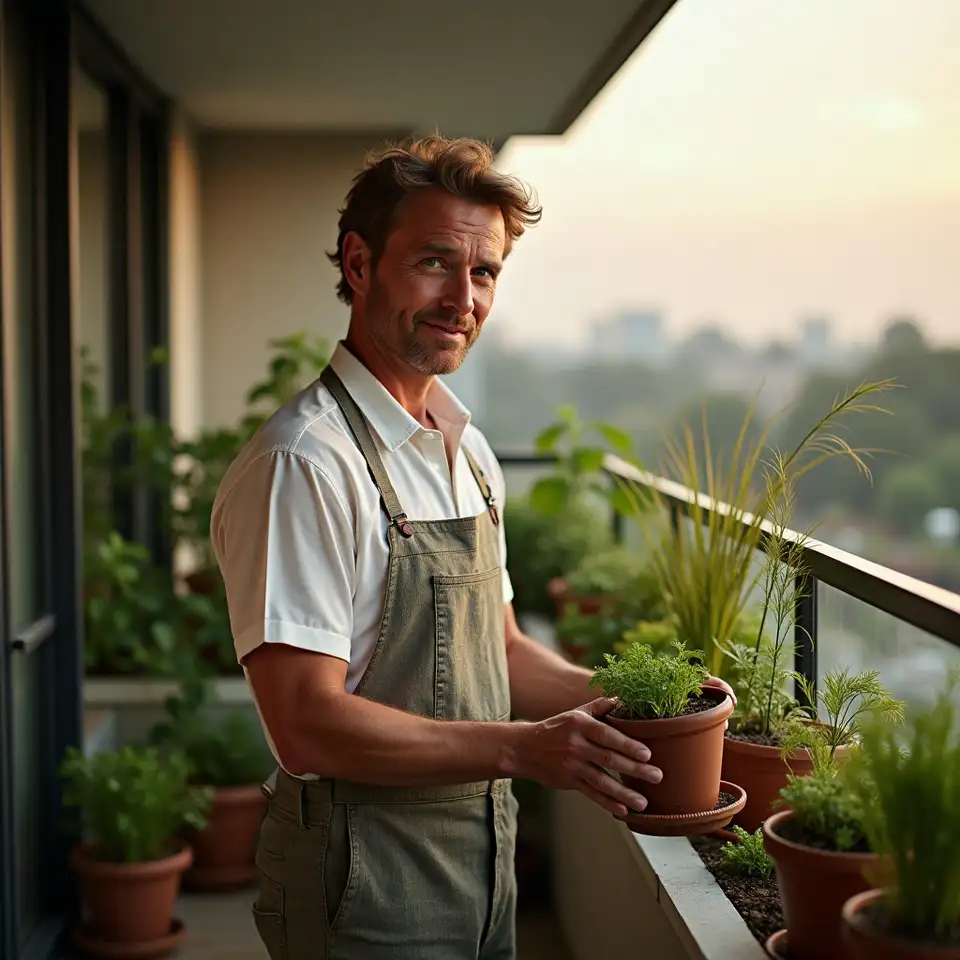
Tests each suggested herb gardening method on a home balcony before suggesting it. Reviews plant response to soil amendments and measures water retention by weighing pots. Documents which methods perform reliably in Sydney’s changing weather patterns.
Gardening focus areas

Rebecca Elaine Murphy
Content and accessibility advisor
Melbourne, Victoria, Australia
Monitors site usability, accessibility for vision-impaired users, and verifies instructional clarity. Provides accessibility audits and reviews instructions for practical logic and stepwise flow.
Core contribution areas

Matthew James Connor
Technical editor and terminology lead
Brisbane, QLD, Australia
Reviews experimental records, standardizes terminology, and checks all guides for clarity. Works to ensure that terms match Australian gardening standards and that all instructions are free of jargon or unsubstantiated claims.
Editorial specialties

Sophie Annabelle Hughes
Community testing and feedback
Adelaide, South Australia
Coordinates local gardening community input and manages the Q&A section. Tests community-suggested techniques in the test plot and compiles outcomes for review.
Community engagement

Daniel Lee Chan
Visuals and instructional diagrams
Perth, Western Australia
Designs simple, step-driven diagrams for herb care and garden layout. Ensures every illustration corresponds to a specific, testable step in the process, not general aesthetics.
Design process expertise