Informational use only
No guarantees. See disclaimer.
Practical Resources for Home Herb Gardens
Download checklists, schedules, and troubleshooting tools created from tested trials,
not assumptions. All resources align with Australian conditions and are updated to
reflect recent findings and user feedback.
The resources section provides peer-reviewed printables, practical guides, and
troubleshooting tools for stepwise home herb gardening. Each document is grounded in
tested experience and Australian climate considerations. Find checklists, calendars,
worksheets, and a glossary to support new and experienced gardeners.
Resources and guides are for informational purposes only. Individual results depend on
local conditions and materials used. Consult the FAQ or contact the team if unsure.
Guides and Printables
Beginner Checklist
A printable starter checklist covers the basics: container choice, soil mix, sunlight tracking, and watering routines. Each step is mapped to a tested result, so you can check off progress without guessing what comes next. Use this as a baseline for all new plantings.
Planting Calendar
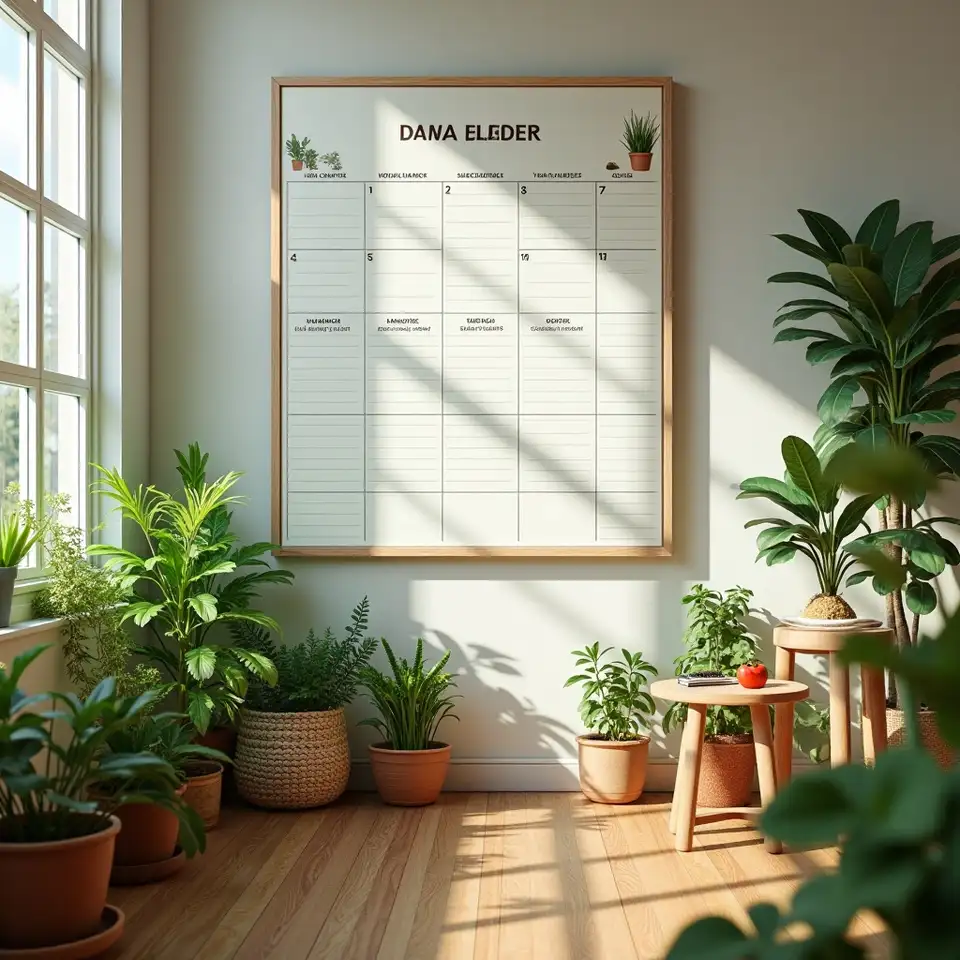
Download a stepwise planting calendar tailored to typical Australian climates. The calendar indicates ideal sowing and transplant windows for the most common kitchen herbs, avoiding the need to interpret vague seasonal advice.
Troubleshooting Worksheet
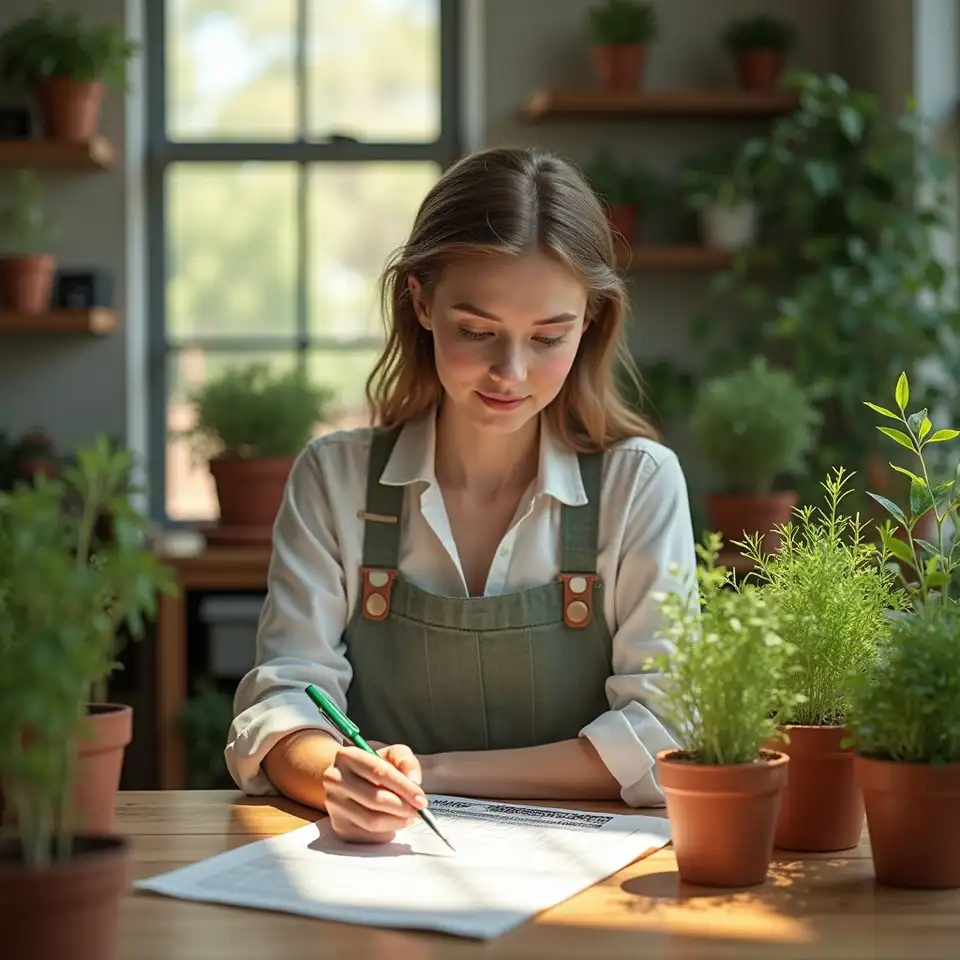
A troubleshooting worksheet helps record issues such as slow growth, pests, or leaf changes. The worksheet guides you through isolating variables, so you can log each test and compare results. This turns guesswork into a repeatable process.
Need a custom version or have a specific challenge not covered by current
resources? Contact the team to request targeted guides or adaptations for unique
conditions. All requests are reviewed before publication.
Herb Terms
Glossary of Herb Gardening Terms
This glossary explains common terms, technical jargon, and stepwise concepts found in home
herb gardening guides and troubleshooting checklists. Each entry is based on tested
practice, not tradition.
Well-drained soil
A soil mixture that allows excess water to pass through quickly, preventing root rot and supporting healthy root development. Most herbs require well-drained soil for best results in pots or raised beds.
Plant CareFull sun location
A position that receives direct sunlight for at least five hours per day. Full sun exposure promotes robust growth for most culinary herbs.
LightingHardening off
Starting seeds in trays or small pots indoors, then gradually exposing seedlings to outdoor conditions. This process prepares plants for transplanting without shock.
Planting MethodObservation log
A method of recording plant issues, environmental variables, and interventions to identify patterns or causes of setbacks. Used to separate single factors from multiple overlapping problems.
TroubleshootingCompanion planting
The introduction of certain plants that naturally deter pests without chemicals. Common pairings include basil with tomatoes or marigolds with herbs.
Pest ManagementSeedling stage
The initial stage of a plant’s life after germination, marked by the appearance of the first true leaves. Seedlings are sensitive to moisture and light changes.
Growth StagesDrainage pot
A pot, box, or repurposed vessel with holes at the bottom to allow water drainage. Essential for maintaining healthy root environments in container gardens.
Container TypePruning
The regular process of removing dead or damaged parts of a plant to promote new growth and improve airflow. Pruning can help prevent disease and maintain plant shape.
MaintenanceSoil amendment
A mineral or organic material, such as perlite or compost, added to soil to adjust its structure, drainage, or nutrient content. Amendments are chosen based on observed plant needs.
Soil AmendmentWeather event
A sudden change in weather conditions that can affect herb growth, such as unseasonal heat or heavy rainfall. Gardeners monitor these events to adjust care routines.
Environmental FactorResourceful gardening: save effort and cost
Resources help you avoid wasted effort and cost by focusing on what works in practice, not just in theory. Each tip is drawn from real home herb gardening trials across Australia.
Minimise upfront costs with existing materials
Start with what you have—reuse containers and basic garden tools before buying new ones. Only invest in specialised pots or soil once you have tracked which variables impact results.
Test supplies before committing to bulk
Compare different suppliers for soil and amendments. Price does not always indicate quality. Testing small quantities first reduces waste and saves money over time.
Water-saving through routine tracking
Track water usage to identify excess and avoid overwatering. Simple logging saves both water and reduces the risk of plant failure from too much moisture.
Share tools and cuttings to reduce spend
Join local community groups or online forums to borrow tools or trade cuttings. Community sharing spreads cost and introduces new, locally tested methods.
Align timing with local weather patterns
Plan plantings to match natural rainfall and seasonality. Starting new crops at the right time means less reliance on artificial irrigation or climate control, reducing resource use and utility costs.